
What's the Best Fence Material for Your Home?

Quick answer: Wood fencing stands out as a top choice, offering timeless beauty, natural warmth, and versatility at a price that works for most budgets. Pair a wood fence with steel posts and you get even more strength and longevity. Vinyl is low maintenance but can struggle in high winds. Aluminum resists rust, chain link offers budget-friendly security, and composite blends a wood look with less upkeep. Your budget, climate, and goals should drive the final call.
So, you're ready to put up a fence. Great choice. Whether you're protecting your kids, keeping pets in, or adding privacy, a quality fence does a lot of work for your home. But before the posts go in the ground, you've got a big decision: what material should you choose?
This isn't a one-size-fits-all answer. Your climate, budget, and needs all play a role. Let's walk through the most popular options so you can make the right call.
Wood: The Classic Choice
Wood is the fence material most people picture first, and it's hard to argue with that. A wood fence brings natural warmth and timeless curb appeal that other materials can't quite match. Whether you're installing wood fence panels for a backyard privacy fence or adding cedar fence pickets for a decorative touch, wood gives you full freedom to customize. Stain it, paint it, or let it weather naturally.
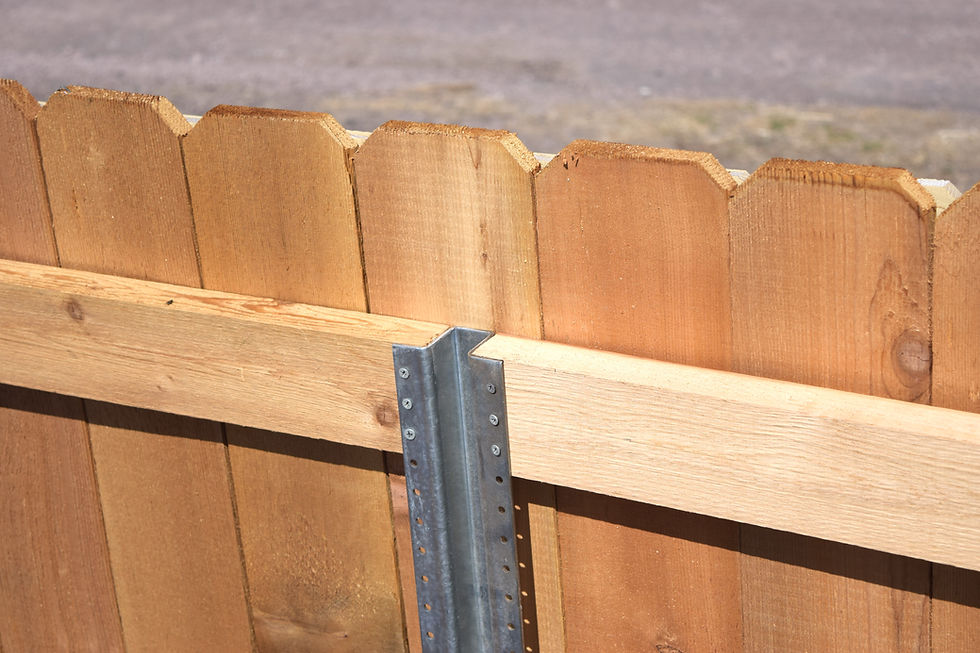
The tradeoff? Wood needs regular attention. Staining, sealing, and occasional repairs are part of the deal. Left untreated, wood is vulnerable to rot, warping, and insect damage — especially in humid climates. Here's a smart upgrade: swap your traditional wood fence post for a galvanized steel post. Metal fence posts won't rot from the ground up the way wood posts do. They add serious wind resistance and structural strength, giving you the beauty of wood on top and the durability of steel underneath.
If you love a traditional look and want a fence built to last, pair your wood fence with galvanized steel posts. It's a setup that's hard to beat.
Vinyl: Low Maintenance, High Durability
Vinyl fencing (also called PVC) is a go-to for homeowners who want durability without the maintenance headaches. It won't rot, warp, or need repainting, and it holds up well against moisture and pests. That said, high winds can be a real concern. Lower-grade panels or poor installation can leave a vinyl fence vulnerable when strong gusts hit. If you live in a windy area, invest in a quality product and proper installation — because not all vinyl fences are built the same.
Vinyl costs more upfront than wood, but less maintenance means more time enjoying your yard and less time working on it.

Aluminum: Lightweight and Rust Resistant
Aluminum fencing is a smart pick if you want durability without heavy upkeep. It naturally resists rust and corrosion, making it dependable in coastal or humid areas. It's often used for pool enclosures and decorative fencing, but it isn't built for heavy-duty privacy or security. It's better suited for boundary marking and style.
Chain Link: Affordable and Practical
When budget and function matter more than looks, chain link delivers. It's one of the most affordable fencing materials and handles years of wear with minimal maintenance. Chain link won't give you privacy, but it's hard to beat for keeping kids and pets safely contained.

Composite: Best of Both Worlds
Composite fencing blends wood fibers with recycled plastic, giving you the natural look of wood with far less maintenance. It resists rot, insects, and fading better than traditional wood. The upfront cost is higher than wood or chain link, but if you want the classic aesthetic without constant upkeep, composite is worth it.
How Do You Choose the Right Fence Material for Your Needs?
Ask yourself a few key questions before deciding:
What's your budget? Chain link and wood fence panels cost less upfront, while vinyl and composite save money on maintenance and repairs over time.
What's your climate like? Humid or coastal areas favor rust-resistant materials like aluminum, vinyl, or composite. Pairing any wood fence with galvanized steel posts adds extra protection against ground-level rot.
What's the fence's main job? A privacy fence calls for wood, vinyl, or composite. A steel post privacy fence gives you added wind resistance and structural strength. Security and containment work well with chain link or aluminum.
How much maintenance are you willing to do? If you want a classic wood fence look with minimal long-term hassle, pairing wood fence panels with lifetime steel posts is the smart move.
Choose wood if natural beauty and classic style matter most — and pair it with steel posts for a foundation built to last generations. Choose vinyl or composite if low maintenance tops your list, but make sure you're investing in quality products for your climate. Choose aluminum for rust resistance and a clean look. Choose chain link if affordability and practicality are your priorities.
Final Thoughts: Protecting What Matters Most
At the end of the day, the best fence material is the one that fits your home, your budget, and your lifestyle. Your fence is protecting what matters most — your family, your pets, and your peace of mind. Take the time to weigh your options, and you'll end up with a fence built to serve you for years to come.
Frequently Asked Questions
What is the most durable fence material? Vinyl and composite resist rot, insects, and weather damage exceptionally well. But don't count out wood. A wood fence built with galvanized steel posts is one of the most durable setups you can choose — steel won't rot from the ground up, giving your fence a foundation that lasts for generations.
What is the cheapest fence material? Chain link is typically the most affordable option, making it popular for homeowners on a budget.
Which fence material requires the least maintenance? Vinyl requires the least maintenance — no painting, staining, or sealing needed. Just keep in mind that performance in high winds can vary depending on the product's quality and installation.
Is aluminum fencing good for privacy? Not usually. Aluminum is better suited for decorative purposes, pool enclosures, and boundary marking than full privacy.
Can composite fencing look like real wood? Yes. Composite is designed to mimic the natural look of wood while offering better resistance to rot and insects.


Comments